

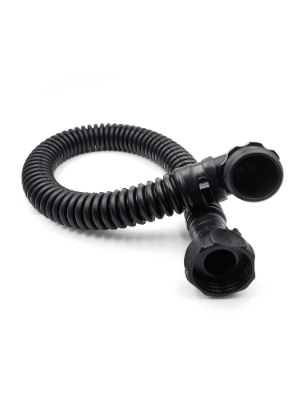
Common Industries That Rely on a Gas Mask With Hose
Worker safety remains a top priority across industries where exposure to hazardous airborne contaminants is a daily reality. From toxic gases and chemical vapors to biological agents and oxygen-deficient environments, respiratory protection is often essential for maintaining health and preventing serious workplace injuries. Among the various forms of respiratory protective equipment available, a gas mask with a hose offers enhanced protection by connecting the Gas Mask With Hose to a larger filter canister or external air source.
This design improves filtration efficiency, comfort, and breathing performance, making it a preferred choice in many high-risk occupations. Understanding which industries depend on these systems highlights their importance in modern workplace safety.

What Is a Gas Mask With Hose?
A gas mask with a hose is a respiratory protection device that connects the face mask to a filter canister or breathing apparatus through a flexible hose. Unlike compact respirators with filters mounted directly on the mask, hose-connected systems can support larger filtration units and improve weight distribution.
These masks are commonly used in environments where workers face prolonged exposure to dangerous substances or require a higher level of respiratory protection. Depending on the configuration, they may protect against chemical, biological, radiological, nuclear (CBRN), or industrial contaminants. Respiratory protection systems such as supplied-air respirators and gas masks play a critical role in industries where airborne hazards are present.
Chemical Manufacturing Industry
Chemical plants are among the most common workplaces where gas masks with hose systems are used. Employees regularly work with hazardous chemicals, solvents, toxic gases, and volatile compounds that can pose severe respiratory risks.
During chemical processing, mixing, storage, or transportation, accidental leaks and airborne contamination can occur. A gas mask with hose provides reliable protection by filtering harmful substances before they enter the respiratory system.
Workers involved in:
-
Chemical production
-
Industrial cleaning
-
Hazardous material handling
-
Laboratory testing
often rely on advanced respiratory protection to safely perform their duties.
Oil and Gas Industry
The oil and gas sector exposes workers to numerous airborne hazards, including hydrogen sulfide, volatile organic compounds (VOCs), drilling fumes, and combustible gases.
Employees working on offshore platforms, refineries, and drilling sites frequently encounter environments where respiratory protection is mandatory. Gas masks with hose systems help workers maintain safety during:
-
Refinery maintenance
-
Pipeline inspections
-
Gas leak responses
-
Tank cleaning operations
The ability to connect to high-capacity filtration systems makes hose-equipped masks especially valuable during extended work shifts in hazardous environments.
Mining Operations
Mining remains one of the most demanding industries for respiratory protection. Workers may be exposed to:
-
Silica dust
-
Coal dust
-
Toxic gases
-
Oxygen-deficient atmospheres
Underground mines often present unique challenges because contaminants can accumulate in confined spaces. Respiratory systems featuring hoses and advanced filtration can significantly reduce exposure to dangerous airborne particles.
In emergencies, miners may also utilize specialized breathing apparatus systems designed to function even when air quality deteriorates rapidly. Mining is recognized as one of the industries where advanced respiratory protection is frequently required.
Firefighting and Emergency Response
Firefighters regularly enter environments filled with smoke, toxic fumes, and dangerous gases. Standard breathing conditions often become impossible during structural fires, industrial accidents, or hazardous material incidents.
While many firefighters use self-contained breathing apparatus (SCBA), hose-connected respiratory systems are also used in specialized rescue and hazardous-material operations.
Emergency response teams depend on respiratory protection for:
-
Chemical spill containment
-
Disaster response
-
Industrial rescue operations
-
Hazardous material investigations
Without reliable respiratory equipment, exposure to airborne toxins can cause immediate and long-term health consequences.
Construction and Demolition
Construction sites generate significant amounts of airborne contaminants. Activities such as cutting, grinding, drilling, and demolition release dust and particles that can damage the respiratory system.
Some projects also involve exposure to:
-
Asbestos
-
Lead dust
-
Concrete silica
-
Chemical coatings
Workers performing demolition or hazardous material removal frequently use advanced respirators and gas masks to reduce inhalation risks.
Gas masks with hose systems offer improved comfort during long shifts while providing enhanced filtration against dangerous particulates and fumes. Construction workers are among the major occupational groups that benefit from respiratory protection programs.
Pharmaceutical and Laboratory Environments
Pharmaceutical production facilities and research laboratories often handle chemicals, biological materials, and airborne compounds that require strict contamination control.
Scientists, technicians, and manufacturing personnel may use gas masks with hose systems when working with:
-
Hazardous reagents
-
Biological agents
-
Aerosolized compounds
-
Sterile manufacturing processes
These respiratory systems help protect both personnel and sensitive work environments from contamination.
Military and Civil Defense Operations
Military personnel frequently operate in environments where exposure to chemical, biological, radiological, and nuclear threats is possible. The CBRN gas mask filter with hose-connected filtration systems has been used for decades to provide enhanced protection against warfare agents and hazardous contaminants. Modern protective masks are designed to defend users against toxic industrial chemicals, biological aerosols, and nuclear fallout.
Civil defense organizations, disaster preparedness teams, and specialized security units also rely on similar respiratory protection equipment for emergency readiness.

Waste Management and Hazardous Material Cleanup
Workers involved in waste disposal and hazardous material remediation face a wide range of respiratory hazards.
Potential exposures include:
-
Chemical residues
-
Industrial waste vapors
-
Mold spores
-
Biological contaminants
Cleanup operations often occur in confined or poorly ventilated environments where contaminants can reach dangerous concentrations.
Gas masks with hose systems provide an added layer of safety by supporting larger filtration units capable of handling multiple airborne threats simultaneously.
Metal Processing and Welding Industries
Metal fabrication facilities generate fumes and particulates that can negatively impact respiratory health over time.
Welders and metalworkers may be exposed to:
-
Metal fumes
-
Grinding dust
-
Chemical coatings
-
Industrial gases
Extended exposure without proper respiratory protection can contribute to serious occupational health conditions.
Gas masks equipped with advanced filtration systems help reduce inhalation risks and improve workplace safety compliance.
Why Industries Choose Gas Masks With Hose Systems?
Several factors make hose-connected gas masks attractive across industrial sectors:
Enhanced Filtration Capacity
Larger filter canisters often provide longer service life and improved contaminant removal.
Better Weight Distribution
Moving the filter away from the face reduces strain on the neck and improves wearer comfort.
Extended Wearability
Workers performing long-duration tasks benefit from reduced breathing resistance and improved comfort.
Increased Protection
Many hose-connected systems support specialized CBRN filters and high-capacity cartridges designed for severe hazards.
Adaptability
These systems can be configured for multiple environments, ranging from industrial workplaces to emergency response operations.
End Notes
As industries continue to prioritize worker safety, respiratory protection remains a critical component of occupational health programs. Sectors such as chemical manufacturing, oil and gas, mining, firefighting, construction, pharmaceuticals, military operations, hazardous waste management, and metal processing all depend on reliable Gas Mask With Hose systems to protect personnel from airborne threats.
For those seeking dependable protection against chemical, biological, radiological, and nuclear hazards, the CBRN filter available at Supergum Shop offers exceptional long-term preparedness with an impressive 20-year shelf life. Investing in high-quality respiratory protection helps ensure safety, compliance, and peace of mind in even the most challenging environments.