

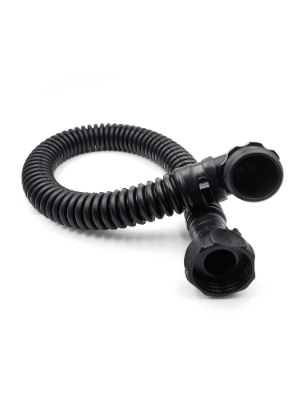
Gas Mask Hose Systems: Modern Protection Explained
In environments where the air itself becomes a threat, personal respiratory protection is not a luxury—it’s a necessity. From military operations and industrial settings to emergency response and survival preparedness, gas masks have evolved into highly sophisticated life-saving devices. Among the most advanced configurations is the gas mask with hose system, a design that separates the breathing filter from the facepiece to improve comfort, endurance, and protection efficiency.
Unlike traditional front-mounted filter masks, hose-based gas mask systems offer better weight distribution, enhanced mobility, and reduced fatigue during extended use. This makes them particularly valuable in high-risk situations involving toxic gases, chemical vapors, biological agents, smoke, and particulate contamination. This article explores the engineering, materials, filtration technology, and real-world advantages of modern gas mask hose systems, shedding light on why they remain a trusted choice for professionals and preparedness enthusiasts alike.

The Evolution of Gas Mask Hose Systems
Gas Mask With Hose configurations originated in military and industrial environments where prolonged exposure to hazardous air was common. Early designs were crude, often uncomfortable, and limited in mobility. However, the core concept—relocating the filter away from the face—proved highly effective.
Over time, advancements in polymer science, airflow engineering, and filtration media transformed these systems into precision-engineered protective tools. Today’s hose-connected gas masks are lighter, more durable, and capable of protecting against a broader spectrum of airborne threats.
Why a Hose-Based Gas Mask Design Matters?
The inclusion of a hose is not a cosmetic feature—it serves multiple functional purposes, enhancing protection and usability.
Improved Weight Distribution
Front-mounted filters add significant weight to the mask, placing strain on the neck and facial muscles. A hose allows the filter to be mounted on a belt, vest, or backpack, reducing fatigue during long operations.
Enhanced Breathing Comfort
Hose systems are designed to optimize airflow and reduce breathing resistance. This makes them ideal for physically demanding tasks or extended wear.
Greater Field of Vision
Removing bulky filters from the front improves downward visibility, which is critical for tactical, industrial, or emergency response scenarios.
Advanced Filtration Technology Explained
Modern gas mask hose systems rely on standardized, high-efficiency filtration technology to neutralize airborne hazards.
Multi-Layer Filtration Media
Filters typically contain:
-
Activated carbon layers to absorb chemical vapors and toxic gases
-
HEPA-grade particulate filters to trap fine particles, smoke, and biological agents
-
Pre-filters to extend filter life by capturing larger contaminants
This layered approach ensures comprehensive protection without compromising airflow.
NATO 40mm Compatibility
Many modern systems use the 40mm NATO thread standard, allowing users to swap filters easily based on threat type. This universal compatibility is essential for military, law enforcement, and global industrial applications.
Materials That Make Modern Gas Masks Reliable
Durability is a critical factor in respiratory protection, and modern hose-based gas masks use advanced materials designed for extreme conditions.
Chemical-Resistant Polymers
Hoses are typically made from flexible yet rugged rubber or thermoplastic elastomers that resist chemical degradation, cracking, and extreme temperatures.
Reinforced Connections
High-quality hose systems feature reinforced threading and airtight seals to prevent leaks, even under movement or pressure changes.
Long-Term Flexibility
Unlike older rubber hoses that stiffened over time, modern materials maintain flexibility, ensuring consistent airflow and comfort.
Ergonomic Design and User Comfort
Protection is only effective if the user can wear the equipment correctly and comfortably.
Adjustable Length and Routing
Hoses are designed to be routed across the body without restricting movement, allowing users to crouch, run, or work in confined spaces.
Reduced Facial Pressure
With the filter removed from the facepiece, masks can maintain a secure seal without excessive tightening, reducing pressure marks and discomfort.
Compatibility With Protective Gear
Modern systems are engineered to work alongside helmets, goggles, and protective suits, making them suitable for integrated safety setups.
Applications of Gas Mask With Hose Systems
The versatility of hose-based gas masks makes them suitable for a wide range of scenarios:
-
Military and tactical operations
-
Chemical and industrial workplaces
-
Emergency response and firefighting
-
Survival and disaster preparedness
-
Hazardous material (HAZMAT) handling
Their modular design allows users to adapt the system to specific threats and environments without replacing the entire mask.
Maintenance and Reliability Considerations
A well-designed gas mask hose system is built for longevity, but proper maintenance is essential. If you’re looking for a durable 40mm NATO israeli gas masks for sale hose built for real-world conditions, explore this option at Supergum Shop.
-
Regular inspection of hose integrity
-
Ensuring airtight seals at both ends
-
Proper storage away from UV light and chemicals
-
Timely replacement of filters based on exposure levels
High-quality hoses significantly reduce the risk of leaks, which is critical in life-threatening environments.

The Future of Gas Mask Hose Technology
Innovation continues to refine these systems. Future developments are likely to include:
-
Lighter composite materials
-
Smart airflow monitoring
-
Enhanced chemical detection integration
-
Even lower breathing resistance
Despite these advancements, the fundamental hose-based design remains a cornerstone of effective respiratory protection.
Final Notes
Modern gas mask with hose systems represent the perfect balance between protection, comfort, and adaptability. By separating the filter from the facepiece, these designs reduce fatigue, improve airflow, and enhance situational awareness—factors that can make a critical difference in hazardous environments.