

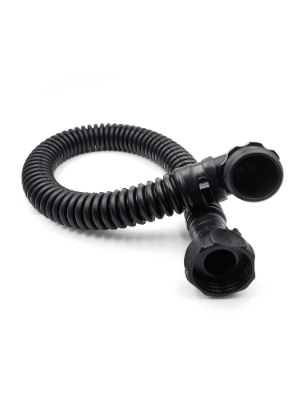
Why a Gas Mask With Hose Is Important for Respiratory Safety?
Respiratory hazards are present in many environments, from industrial workplaces and emergency response situations to military operations and hazardous material handling facilities. Exposure to toxic gases, harmful particulates, chemical vapors, biological agents, and smoke can lead to severe health complications or even life-threatening situations. Personal protective equipment (PPE) plays a critical role in minimizing these risks, and one of the most effective respiratory protection solutions is a gas mask with a hose.
Unlike standard respiratory masks, these systems offer enhanced filtration, improved airflow, and greater user comfort during extended use. Understanding the importance of a Gas Mask With Hose can help individuals and organizations make informed decisions about respiratory safety and preparedness.

Understanding a Gas Mask With Hose
A gas mask with a hose is a respiratory protection device designed to shield the wearer from airborne contaminants. The mask is connected through a hose to a filter canister or an external air source. This design separates the filtration unit from the facepiece, reducing weight on the user's face while improving breathing efficiency.
The hose allows clean air to flow into the mask after passing through specialized filtration systems. Depending on the application, these filters may protect against chemical, biological, radiological, and nuclear (CBRN) threats, industrial pollutants, toxic fumes, or airborne particles. Because the filtration unit can be positioned away from the face, users often experience less fatigue and improved mobility during prolonged operations.
Enhanced Protection Against Hazardous Substances
One of the primary reasons a gas mask with a hose is important is its ability to provide superior protection against dangerous airborne contaminants.
Many workplaces expose workers to substances that can damage the respiratory system, including:
-
Toxic industrial chemicals
-
Smoke and combustion products
-
Biological contaminants
-
Radioactive particles
-
Hazardous dust and aerosols
-
Chemical warfare agents
The hose-connected filtration system allows for larger and more advanced filters than those typically used in standard respirators. This increases the mask's ability to remove harmful substances from inhaled air, helping protect users in highly contaminated environments.
For emergency responders and hazardous materials teams, this level of protection is essential for safely performing critical tasks.
Improved Breathing Comfort
Respiratory protection equipment is only effective when users can wear it comfortably for extended periods.
Traditional masks often place the filter directly on the facepiece, creating additional weight and breathing resistance. Over time, this can lead to discomfort, fatigue, and reduced compliance among users.
A Gas Mask With Hose distributes weight more evenly by moving the filtration unit away from the face. This design offers several comfort-related benefits:
-
Reduced strain on the neck and face
-
Improved balance and mobility
-
Lower breathing resistance
-
Enhanced comfort during long shifts
-
Better user endurance
When individuals can breathe more comfortably, they are more likely to keep their protective equipment properly positioned and sealed throughout their work.
Greater Operational Flexibility
Many high-risk environments require workers to move through confined spaces, complex industrial sites, or hazardous zones. A gas mask with a hose can provide greater operational flexibility because the filter canister can be mounted on a belt, backpack, or protective suit. This arrangement improves freedom of movement while reducing the burden on the face and head.
Emergency responders, military personnel, industrial workers, and decontamination teams often benefit from this flexibility because it allows them to focus on their tasks without constantly adjusting heavy equipment. In situations where mobility is critical, a hose-connected respiratory system can significantly improve performance and safety.
Better Performance During Extended Use
Certain occupations require respiratory protection for many consecutive hours.
Examples include:
-
Chemical manufacturing
-
Nuclear facility operations
-
Disaster response
-
Military deployments
-
Hazardous waste management
-
Fire and rescue support operations
Extended use of conventional respirators can lead to discomfort, sweating, and pressure points around the face.
The CBRN gas mask filter systems are often designed for prolonged wear. The reduced weight on the facepiece and improved airflow help users maintain effectiveness throughout long work periods.
This is particularly important in emergencies where removing respiratory protection could expose individuals to dangerous contaminants.

Protection in CBRN Environments
Chemical, Biological, Radiological, and Nuclear (CBRN) threats require specialized respiratory protection.
Standard dust masks or basic respirators are generally not designed to handle these high-risk hazards. Gas masks with advanced filtration systems can be equipped with CBRN-rated filters that are specifically engineered to remove dangerous agents from the air.
Such protection may be necessary for:
-
Military personnel
-
Law enforcement agencies
-
Civil defense organizations
-
Emergency preparedness teams
-
Critical infrastructure operators
Having access to reliable CBRN respiratory protection can make a significant difference in maintaining safety during extreme situations.
Reduced Risk of Seal Disruption
Maintaining a proper seal is one of the most important aspects of respiratory protection. When a heavy filter is attached directly to the front of a mask, movement can sometimes affect the seal between the mask and the face. Any disruption may allow contaminated air to enter.
A hose-connected system minimizes this issue by reducing the weight attached directly to the mask. As a result, the facepiece can maintain a more stable and secure seal during movement. This contributes to overall protection and helps ensure that filtered air remains the primary source of inhalation.
Supporting Emergency Preparedness
Preparedness is becoming increasingly important in today's unpredictable world.
Natural disasters, industrial accidents, hazardous material spills, and other emergencies can create respiratory hazards with little warning. Having appropriate respiratory protection available can help individuals respond effectively during these situations.
Gas masks with hose systems are often considered part of comprehensive emergency preparedness plans because they provide:
-
Reliable respiratory protection
-
Extended operational capability
-
Compatibility with advanced filters
-
Enhanced user comfort
-
Increased confidence during emergencies
Preparedness professionals frequently recommend investing in high-quality respiratory protection before it becomes urgently needed.
Final Notes
A Gas Mask With Hose is an essential respiratory safety solution for individuals working in hazardous environments or preparing for potential emergencies. Its ability to provide enhanced filtration, improved comfort, greater mobility, and reliable protection against toxic airborne threats makes it a valuable piece of protective equipment. Whether used in industrial settings, emergency response operations, or CBRN preparedness programs, these systems help safeguard users from serious respiratory dangers while supporting long-term performance and safety.
For those seeking dependable protection against advanced threats, consider investing in high-quality CBRN filtration technology, such as the CBRN Filter with 20 Years of Shelf Life available from Supergum Shop. Designed for long-term preparedness and reliable respiratory defense, it can be an important addition to a comprehensive safety strategy.